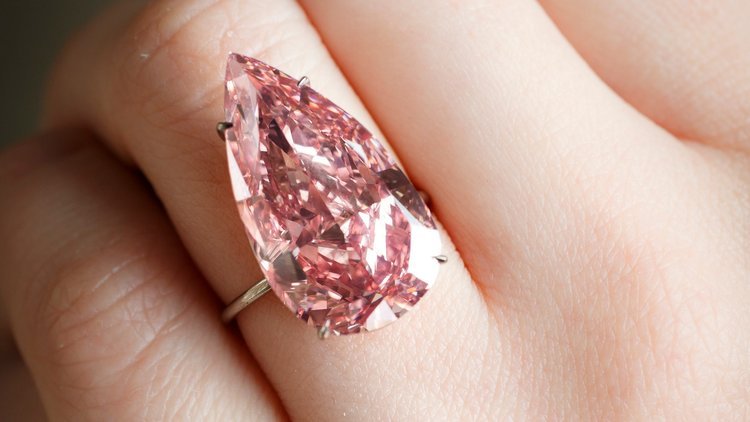

HPHT vs CVD Lab Created Diamonds: Understanding the Key Differences
One way lab diamonds change jewelry is by giving people options that cost less, feel fairer, hurt nature less. Two common techniques stand out: one squeezes carbon hard with heat, another builds it layer by air in a chamber. Though each results in stones just like earth-grown ones – same sparkle, structure, makeup – their paths split early, shaping different traits along the way. How they grow affects color hints, clarity patterns, even which buyers lean toward them.
This piece dives into how hpht vs cvd lab grown diamonds differ, offering clarity so your choice feels less confusing. A closer look reveals what sets these methods apart, guiding you toward a pick that fits. Each process leaves distinct traces, visible under scrutiny. One begins with high pressure, the other with gas – paths diverge early. What matters most emerges slowly: structure, color, purity. Neither method wins outright, yet each suits different needs. Clarity comes not from hype but from understanding origins. Your best match hides in the details others overlook.
Lab Created Diamonds Explained?
Diamonds grown in labs, sometimes called synthetic or man-made, form inside high-tech facilities where scientists copy how nature builds them deep underground. Though made by people, they aren’t fake stones such as cubic zirconia or moissanite; instead, each one is real – built from carbon locked into a repeating 3D pattern. While formed above ground in weeks rather than millennia, their inner makeup matches exactly what you’d find in mined gems.
A different way of making diamonds in labs begins with high pressure plus extreme heat. Another path relies on gas that turns into solid crystal over time.
HPHT Meaning High Pressure High Temperature?
A chunk of metal squashes carbon while an electric jolt heats it up, copying how stones cook far below ground. This old-school setup has been building shiny crystals since the 1950s.
How HPHT Works
In the HPHT process
- A tiny piece of diamond sits within a block of carbon stuff.
- Under heavy squeeze – around 5 to 6 gigapascals – the room inside bears intense force.
- Furnace heat climbs past fifteen hundred degrees Celsius.
- A tiny spark begins the change when carbon gives way to structure near the seed. Crystal threads spread slowly, shaped by heat’s quiet push. Shape grows grain by grain where pressure holds time still.
HPHT diamonds traits
HPHT diamonds often:
- Have strong crystal structures
- Display high clarity and brilliance
- Occasionally, tiny bits of metal show up because of where they form
- Yellowish hints might appear, yet today’s methods tend to limit them. Brown shades can sometimes surface, but newer processes help keep that in check
Starting with cutting tools, HPHT diamonds show up just as much in jewelry. Their role shifts from factory floors to ring settings without missing a beat.
Understanding Chemical Vapor Deposition?
A fresh way to grow diamonds has come along – cleaner, smarter, built on precision. With this approach, conditions shift smoothly under close watch instead of wild chance. The result? Stones shaped steadily, one layer at a time, turning calm effort into something clear and strong.
How CVD Works
In the CVD Process
- A tiny piece of diamond goes into a sealed space with no air.
- Floating inside the space are heavy amounts of gas packed with carbon, such as methane.
- Heat turns these gases into plasma.
- Floating free, carbon atoms settle on the seed one at a time. Slowly building up, they stack into a diamond structure piece by piece.
CVD Diamond Traits
CVD diamonds typically:
- Have fewer inclusions
- Exhibit excellent clarity
- Some appear clear, others almost fade into transparency
- After growing, some extra steps might be needed to improve the shade
What makes CVD diamonds stand out is how often they appear in high-end jewelry. Their steady quality plays a big role here.
HPHT Compared With CVD
A buyer might see clearer choices when knowing how HPHT differs from CVD grown stones. Choices often depend on what matters most to the person selecting one. One method builds diamond layers under high pressure, while the other uses gases in a chamber. Each process shapes the stone in its own way. Some prioritize color clarity, others care about growth time. Preferences shift from person to person. Knowing these details simply reveals which path suits an individual better.
1. Growth Process
- A sudden crush of pressure, then intense heat – this mimics how diamonds grow deep underground. Machines here play nature’s role, squeezing carbon until it shifts into gem form.
- A single breath of gas begins the process, then plasma takes over inside a sealed chamber where diamond builds one slice at a time.
2. Appearance
- HPHT diamonds may have slight color variations and metallic inclusions.
- Most CVD diamonds look cleaner inside, showing less trapped material.
3. Color
- Some HPHT diamonds carry a hint of yellow or brown, especially if left untreated.
- A shade of brown sometimes shows up in CVD diamonds, though they’re usually clear until treated. Most start off near transparent, yet a hint of warmth can appear under certain conditions.
4. Clarity
- Born in labs, CVD diamonds often show fewer flaws because their formation happens under steady conditions.
- Some HPHT diamonds hold extra flaws, tied to how they form. Their creation method shapes what’s inside.
5. Cost
- Folks find these options easier on the wallet compared to mined stones. While prices shift, they usually stay lower across the board.
- Most of the time, CVD diamonds cost a bit less because making them doesn’t take as much effort.
6. Availability
- Fake diamonds made in labs now show up just about everywhere you look for rings and necklaces.
- Though HPHT diamonds exist, they often find their way into factories instead of jewelry boxes.
HPHT and CVD diamonds share common traits
Despite their differences, HPHT and CVD lab created diamonds share many similarities:
- One thing’s true – they’re actual diamonds, not fake versions meant to copy them. These stones come straight from the earth, just like the other kind you’d find
- Folks often think one’s tougher, yet they match perfectly at 10 on the Mohs scale. Hardness? Identical. Not a fraction off
- Fine sparkle fills each one, yet their glow feels alive in different ways
- Farmed gems sit easier on the planet than dug-up stones
- One holds certification from places such as IGI or GIA, just like the other does too
Funny thing – spotting the difference takes tools most people never touch.
Which One Should You Choose?
Priorities shape the decision when picking HPHT or CVD lab grown stones.
Choose HPHT if:
- A stone shaped much like how earth would make it deep underground. Not rushed. Close to what grows when time presses heat on carbon. Real slow. Like roots tightening in soil over years. Pressure doing its quiet work without hurry. This way feels more like waiting than building
- You are looking for strong crystal structure
- You prefer traditional diamond growth methods
Choose CVD if:
- You prioritize clarity and color
- You want a more affordable option
- You are buying for fine jewelry like engagement rings
Fresh off the market, lab stones win favor with today’s shoppers – steady standards meet sharp prices. What matters more is how reliably they deliver without stretching budgets.
HPHT and CVD Diamond Durability?
Folks often wonder if lab grown stones hold up – HPHT or CVD, they stand strong. Just like mined diamonds, their toughness matches perfectly. Scratch resistance? Spot on, every bit as tough. Day after day, year after year, they keep their shape. Rings meant for daily use benefit most – think engagements, think vows. Longevity doesn’t waver, no matter the origin.
Environmental and Ethical Advantages
Few things beat lab diamonds when it comes to lighter harm on nature, be they made by HPHT or CVD methods.
- Fewer machines tearing up soil when mines stay closed
- Lower carbon footprint
- Fresh start every time, clear of disputes. Sourced without questionable choices. Never tangled in controversy. Always pulled from reliable origins. Free from shady deals by design
Folks who care about people and planet might find lab diamonds line up well with their values.
Final Thoughts
One way some lab diamonds form is through extreme heat and pressure, much like underground. Yet another method uses gas inside a chamber to build diamond layers slowly. Each path leads to gems so close to mined stones, even experts need tools to tell them apart. Some folks favor the older technique because it feels familiar. Still others find value where precision shapes cleaner results at lower prices.
Lately, lab made diamonds are catching on fast – thanks to their sparkle, fair price, and planet friendly edge. Pick either HPHT or CVD, it makes no difference; both deliver real diamonds built to match today’s rules for quality and honesty.